 Schedule a Tour
Key Takeaways:
- Senior living encompasses multiple care types and the best communities offer the full continuum on a single luxury campus.
- Independent living is a lifestyle upgrade for active seniors who want resort-style amenities, vibrant social programming, and city access without home maintenance.
- Assisted living provides personalized daily support while preserving an active, engaged lifestyle.
- Memory care is specialized assisted living designed for individuals with Alzheimer’s or dementia.
- A full continuum of care allows residents to transition between care levels without leaving their community.
In Central Austin’s Triangle neighborhood, senior living feels connected, walkable, and full of energy. At The Village at The Triangle, residents aren’t stepping away from the life they love, they’re continuing to Live Life Well® in a setting that reflects it. Mornings might begin with coffee on a terrace overlooking the city, afternoons spent exploring nearby dining and shops, and evenings filled with conversation, events, and shared experiences.
At the same time, navigating senior care options in Austin TX can feel overwhelming. The terminology alone can blur together, making it difficult to understand what each level of care truly offers. This guide brings clarity to those choices and helps you move forward with confidence.
This guide will cover how to identify which level of care fits your lifestyle today, what distinguishes independent living from assisted living, what memory care looks like in a luxury community setting, and why having a full continuum of care on one campus can change the decision entirely.
What Senior Care Options in Austin TX Are Available?
Senior living in Austin includes five primary care types: independent living, assisted living, memory care, rehabilitation, and skilled nursing. Each serves a different level of need, from lifestyle-focused living to clinical care.
At The Village at The Triangle, residents experience a curated approach to senior care options in Austin TX, with Independent Living, Assisted Living, and Memory Care all offered on one luxury campus in the heart of Central Austin.
| Care Type | Who It’s For | Level of Support | Typical Setting | Duration |
|---|---|---|---|---|
| Independent Living | Active, self-sufficient seniors seeking vibrant community life and modern amenities | Minimal — lifestyle services only | Upscale apartment or cottage-style community | Long-term |
| Assisted Living | Seniors needing personalized daily support while maintaining an active, independent lifestyle | Moderate — personal care and medication support | Residential community | Long-term |
| Memory Care | Individuals living with Alzheimer’s, dementia, or cognitive impairment | Specialized — structured environment, dementia-trained team | Secured neighborhood within community | Long-term |
| Rehabilitation / Post-Acute Care | Those recovering from surgery, illness, or hospitalization | High — skilled therapy and clinical oversight | Skilled nursing facility | Short-term (days to weeks) |
| Skilled Nursing / Nursing Home | Individuals with complex, chronic medical needs | Highest — 24/7 licensed nursing care | Clinical facility | Long-term |
What Are the Differences Between These Senior Care Options?
The differences come down to three key factors: purpose, duration, and level of support.
For residents at The Village at The Triangle, these options aren’t framed as a decline. They’re simply different ways to support a full, active life. Choosing the right level of care allows you to stay engaged, connected, and confident in your daily routine.
For many exploring senior care options in Austin TX, the real shift is understanding that care is not about stepping back, it’s about removing barriers that get in the way of living well. A community offering a full continuum allows you to begin where you are, without worrying about what comes next.
Who Is the Ideal Candidate for Independent Living?
Independent living is designed for active seniors who want a lifestyle upgrade, not a care setting.
At The Village at The Triangle, independent living reflects the expectations of individuals who have built full, meaningful lives and want their next chapter to match that standard.
Residents enjoy:
- Contemporary apartment homes with upscale finishes
- Resort-style amenities including a pool, fitness center, sky lounge, and terraces
- Restaurant-style dining with chef-inspired menus
- A full calendar of Life Enrichment activities and programs
- Walkable access to The Triangle’s dining, shopping, and cultural experiences
This luxury assisted living community in Austin, TX is designed for people who want to stay connected to the city while simplifying daily responsibilities.
Learn more about independent living for seniors in Austin.
What Is Assisted Living?
Assisted living provides support with daily tasks such as medication management, meals, and personal care, all while preserving independence and quality of life.
At The Village at The Triangle, assisted living is built around one idea: support should feel seamless. The goal is not to change your lifestyle, but to make it easier to maintain.
Residents continue to enjoy:
- Engaging social programming and community events
- Restaurant-style dining and shared experiences
- A welcoming environment supported by a highly rated team culture
For families, this brings clarity. A loved one remains in Central Austin, within a vibrant and connected environment, while receiving the support they need to continue living fully.
If you’re comparing options, it’s helpful to explore how assisted living differs from independent living and how both differ from more clinical care settings like nursing homes.
Related Reading: Nursing Home vs Assisted Living in Austin, TX: Navigating Senior Care Choices
What Are Memory Care Services?
Memory care is a specialized form of assisted living designed for individuals living with Alzheimer’s or other cognitive conditions.
At The Village at The Triangle in Austin, TX, memory care is defined by thoughtful, specialized support. The environment is structured, routines are intentional, and team members are trained to support cognitive health, safety, and daily comfort.
For families, continuity matters. Residents who transition into memory care can remain within the same community, surrounded by familiar spaces, consistent team members, and a setting they already know.
This is often one of the most emotional decisions a family makes. Having access to memory care that combines expertise, familiarity, and compassion can make the transition feel more grounded and reassuring.
What Is Rehabilitation (Post-Acute Care)?
Rehabilitation is short-term care designed to support recovery after surgery, illness, or hospitalization.
It focuses on helping individuals regain strength and independence, typically over a period of days or weeks, before returning to their previous living arrangement.
What Is a Nursing Home (Skilled Nursing Facility)?
A skilled nursing facility provides 24/7 medical care for individuals with complex or chronic health conditions.
Unlike assisted living, which focuses on lifestyle and daily support, nursing homes operate in a clinical environment with ongoing medical supervision.
The key distinction is purpose. Rehabilitation is temporary and recovery-focused, while skilled nursing is designed for long-term medical care. It’s helpful to learn more about the level of care offered at rehabilitation versus a nursing home.
How Do You Know the Right Level of Care?
The right level of care depends on how you want to live, not simply your age.
For many exploring senior care options in Austin TX, the decision becomes clearer when framed around lifestyle, independence, and daily experience.
Consider these questions:
- Are you active and ready to trade home maintenance for a more social, connected lifestyle?
- Would occasional support with daily tasks make your routine easier and more enjoyable?
- Is a loved one experiencing memory-related changes that require structure and safety?
- Is short-term recovery support needed after a medical event?
- Are ongoing medical needs becoming more complex?
At The Village at The Triangle, the team helps guide these conversations with clarity and care. You don’t have to figure it out alone. Contact us or schedule a tour today to learn more.
Common Questions Families Ask When Comparing Senior Living Options
What is the difference between independent living and assisted living?
Independent living focuses on lifestyle, convenience, and community, while assisted living adds personalized support with daily activities. Both offer an active, engaging environment, the difference is the level of assistance provided.
What is the difference between assisted living and a nursing home?
Assisted living is residential and lifestyle-focused, while a nursing home provides clinical, medically intensive care for individuals with more complex health needs.
What does a full continuum of care mean?
It means Independent Living, Assisted Living, and Memory Care are all offered on one campus, allowing residents to transition between care levels without leaving their community.
Is memory care the same as a nursing home?
No. Memory care is specialized assisted living focused on cognitive support, while a nursing home provides broader medical care. The environment, approach, and staffing differ significantly.
How do I know when it’s time to consider assisted living?
When daily routines begin to feel more difficult, or when additional support would improve quality of life. For many, it’s about maintaining independence while removing stress, not giving anything up.
Helpful Links
- Memory Care in Austin, TX
- Assisted Living in Austin, TX
- Independent Living in Austin, TX
- AARP Caregiving Resource Center
- Medicare’s Guide to Long-Term Care
- Alzheimer’s Association
Suggested Next Reading
- The Joy of Connection from Senior Living Communities
- How Healthy Fats Support Aging Well in Austin, TX
- Remote Patient Monitoring Available at Assisted Living Community in Central Austin, TX
The Village at The Triangle is proudly part of the Aspenwood Senior Living family. Our senior living community in Austin, TX is designed to support independence, comfort, and meaningful connection. With beautifully appointed residences, engaging activities, and personalized services, we reflect Aspenwood’s commitment to helping every resident Live Life Well®. We are proud that the following communities are also part of The Aspenwood Company’s senior living family: Village on the Park Stonebridge Ranch, Village on the Park Plano, The Doliver of Tanglewood, Village of the Heights, Village on the Park Denton, Village of Meyerland, Village on the Park Bentonville, Wood Glen Court, Spring Creek Village, and Village on the Park Rogers. No matter which community you choose, our shared goal is to help each resident feel safe, valued, and at home.
In Austin, Texas, many older adults and the families who support them are starting to rethink how nutrition supports long-term health. Changes in energy, memory, and overall well-being often lead to more intentional questions about what to eat, especially when it comes to fats. While fat was once something to avoid, today’s understanding is more nuanced, and knowing which fats support the body can make a meaningful difference in how seniors feel day to day.
At the same time, aging brings new considerations. You may be thinking about protecting heart health, maintaining a healthy weight, or supporting memory and energy levels for yourself or someone you love. These concerns are real, and they deserve clarity, not contradiction.
The shift isn’t about adding more fat without intention. It’s about understanding which fats support the body and how they fit into a balanced way of eating. Healthy fats play a meaningful role in sustaining energy, supporting cognitive function, and helping the body absorb key nutrients. In this article, we’ll explore what healthy fats are, why they are more important with age, their key benefits, and how to incorporate them into everyday meals in a way that feels natural and enjoyable.
A Closer Look at Healthy Fats and Their Role in the Body
Healthy fats are unsaturated fats that support essential functions throughout the body. They contribute to brain health, hormone regulation, nutrient absorption, and steady energy. Rather than being something to limit across the board, these fats are an important part of a well-rounded diet.
The goal is not to remove fat, but to be selective, choosing sources that nourish and support long-term wellness.
How Different Types of Fats Impact the Body
Understanding the difference between fats can help simplify everyday choices:
| Type of Fat | Primary Characteristics | Common Food Sources | General Health Impact |
| Unsaturated Fats (Healthy) | Typically liquid at room temperature | Olive oil, nuts, seeds, avocados, fatty fish | Support heart and brain health |
| Saturated Fats | Usually solid at room temperature | Butter, fatty meats, full-fat dairy | Should be consumed in moderation |
| Trans Fats | Artificially created through processing | Packaged snacks, baked goods, fried foods | Associated with increased cardiovascular risk |
Prioritizing unsaturated fats supports the body in a way that feels sustainable, helping maintain both physical health and daily energy levels.
Why Healthy Fats Matter More With Age in Austin, TX
As the body changes, the way it uses energy and processes nutrients shifts as well. Metabolism slows, and maintaining cardiovascular and cognitive health becomes more intentional.
Healthy fats help meet these needs. They provide steady energy that lasts longer than quick-burning foods, and they support systems that directly influence independence and quality of life. Research has also shown that incorporating healthy fats into the diet may support overall wellness and healthy aging.
In a vibrant, active city like Austin, where many older adults want to stay engaged, social, and connected, nutrition plays a key role in sustaining that lifestyle.
Why Certain Nutrients Depend on Healthy Fats
Certain vitamins, like A, D, E, and K, require fat to be absorbed properly. Without it, the body cannot fully access the nutrients in the foods being consumed.
For example, adding olive oil to vegetables or pairing avocado with a meal helps the body absorb these vitamins more effectively. It’s a subtle shift that enhances the value of everyday meals.
Key Ways Healthy Fats Support Aging Adults
Healthy fats contribute to several important aspects of aging well. These include:
- Provide a steady source of energy that supports daily activity
- Support hormone balance and internal regulation
- Promote cognitive function and support memory over time
- Help ease inflammation, which can influence joint comfort
- Help maintain healthy skin and support eye function
- Support cardiovascular health by helping maintain balanced cholesterol levels
These benefits are not always immediately noticeable, but they contribute to how the body feels and functions over time.
Why Omega-3 Fats Are Especially Important
Omega-3 fatty acids are particularly valuable for older adults. They are associated with heart health, brain function, and inflammation management. Despite their importance, they are often underrepresented in everyday diets.
Including foods rich in omega-3s, like salmon or walnuts, can be a simple and impactful way to support long-term wellness.
What Are the Best Healthy Fat Foods for Older Adults?
Healthy fats can be incorporated through a variety of approachable, familiar foods:
Everyday Foods Containing Beneficial Fats
- Nut butters
- Yogurt paired with nuts or seeds
- Whole-grain toast with avocado
- Grain bowls with olive oil dressing
Healthy Oils and Plant Fats
- Extra virgin olive oil
- Avocados
- Almonds, walnuts, and pistachios
- Chia seeds, flaxseeds, and sunflower seeds
Omega-3 Rich Foods
- Salmon
- Sardines
- Trout
- Mackerel
- Walnuts and flaxseed
Including a range of these foods allows healthy fats to become part of daily routines without feeling repetitive.
Simple Ways to Add Healthy Fats to Daily Meals
Incorporating healthy fats can feel effortless with a few adjustments:
- Include nuts or seeds with breakfast or snacks
- Drizzle olive oil over vegetables or salads
- Add avocado to sandwiches or bowls
- Choose fatty fish several times per week
- Combine healthy fats with protein and complex carbohydrates
These small choices build consistency over time, supporting both nutrition and enjoyment.
Building Balanced Meals With Healthy Fats
Balanced meals include a combination of healthy fats, protein, fiber-rich carbohydrates, and fresh ingredients. This approach supports steady energy, enhances satiety, and helps create meals that feel complete and satisfying.
When Fat Intake May Need Personalization
While healthy fats are beneficial for most people, there are situations where adjustments may be needed:
- Diabetes or metabolic concerns
- Changes in appetite or unintended weight loss
- Cardiovascular conditions
- Digestive or absorption challenges
- Gallbladder-related issues
In these cases, working with a healthcare provider or dietitian can help ensure nutrition supports both comfort and long-term health.
How The Village at The Triangle Supports Healthy Senior Nutrition in Austin, TX
At The Village at The Triangle, nutrition is thoughtfully woven into daily life in a way that reflects the energy and lifestyle of Central Austin. Meals are designed to support both wellness and enjoyment, helping residents maintain consistency, comfort, and connection throughout the day.
In this centrally located Austin community, residents have access to a restaurant-style dining environment that feels refined yet welcoming. Ingredients are selected with care, and meals are crafted to include balanced nutrition, including healthy fats, in a way that feels natural and satisfying.
Team members play a key role in creating this experience. They take time to understand resident preferences, making it easier to incorporate foods that support wellness while still honoring personal taste. Whether it’s a beautifully prepared salmon dish, a fresh salad finished with olive oil, or a simple snack with nuts and yogurt, these details contribute to daily well-being.
The lifestyle at The Triangle also encourages movement, connection, and engagement, with easy access to Austin’s dining, culture, and walkable surroundings. Nutrition becomes part of a larger picture of living well, where meals support an active and connected way of life.
If you’re exploring senior living in Austin, contact us or schedule a tour to see how The Village at The Triangle supports senior wellness, energy, and everyday living:
Learn more about how seniors’ nutritional needs change over time, including the right balance of carbohydrates, protein, and healthy fats.
FAQ
How much fat should older adults eat each day?
The right amount can vary based on individual health needs, but the focus should be on including healthy fats consistently rather than avoiding fat altogether.
Can healthy fats help seniors feel full longer?
Yes, healthy fats digest more slowly than carbohydrates, which can help promote satiety and reduce frequent hunger.
Are healthy fats good for memory?
Healthy fats, especially omega-3 fatty acids, are associated with supporting brain function and cognitive health over time.
Helpful Links for Senior Living
Related Reading
- Independent Living vs Assisted Living in Austin, TX: Finding the Right Fit at The Triangle
- Nursing Home vs Assisted Living in Austin, TX: Navigating Senior Care Choices
- Remote Patient Monitoring Available at Assisted Living Community in Central Austin, TX
The Village at The Triangle is proudly part of the Aspenwood Senior Living family. Our senior living community in Austin, TXis designed to support independence, comfort, and meaningful connection. With beautifully appointed residences, engaging activities, and personalized services, we reflect Aspenwood’s commitment to helping every resident Live Life Well®. We are proud that the following communities are also part of The Aspenwood Company’s senior living family: Village on the Park Stonebridge Ranch, Village on the Park Plano, The Doliver of Tanglewood, Village of the Heights, Village on the Park Denton, Village of Meyerland, Village on the Park Bentonville, Wood Glen Court, Spring Creek Village, and Village on the Park Rogers. No matter which community you choose, our shared goal is to help each resident feel safe, valued, and at home.
In Central Austin, life moves fast. Families juggle work, kids, and packed calendars, and many older adults still want to feel connected to the city they love. Then a hospital stay happens. Discharge planning starts. Suddenly you’re hearing new terms, rehabilitation, skilled nursing, “next steps,” and you’re expected to make a decision that affects safety, comfort, and independence.
It makes sense that this moment can feel overwhelming. Rehabilitation and nursing homes are often discussed in the same breath, but they serve different roles in recovery and long-term care planning. This guide breaks down what each option typically provides, how they differ, and what families in Austin often consider once a hospital stay is behind them.
Here’s what we’ll cover:
- What post-acute rehabilitation is meant to accomplish
- What nursing homes (skilled nursing facilities) provide
- The most important differences in care level and length of stay
- What families often evaluate once rehab ends
- How a full continuum senior living community can support evolving needs over time
Rehabilitation vs Nursing Home: What’s the Fundamental Difference?
Post-acute rehabilitation is designed for short-term recovery. It combines therapy and clinical support to help someone regain strength, mobility, and function after an illness, injury, or surgery. A nursing home, also called a skilled nursing facility, centers on ongoing, 24-hour medical oversight for people with complex or chronic needs who require consistent nursing care over a longer period.
Put simply, the distinction comes down to the goal. Rehabilitation is focused on measurable improvement and discharge planning. Skilled nursing is focused on long-term clinical management and supervision.
Families in Austin often hear both options during hospital discharge conversations. The right setting depends on the individual’s recovery trajectory, the complexity of medical needs, the level of supervision required, and how long care is expected to continue. Choosing the appropriate level of care can protect safety now while preserving independence for the future.
What Is Post-Acute Rehabilitation Designed to Achieve?
Post-acute rehabilitation provides structured therapy and short-term nursing support following hospitalization. The purpose is to help someone regain function so they can safely return home or transition to a lower level of support.
Rehabilitation tends to be highly organized. Therapy sessions are frequent and goal-driven. Progress is measured against clear milestones, such as walking independently with a device, safely transferring in and out of bed, or improving endurance enough to complete daily routines. Care plans are meant to be temporary, and discharge planning begins early because the expectation is that the person will continue to the next phase once goals are met.
Rehab is a transitional setting. It is not intended as a long-term place to live, even though some individuals may need an extended stay depending on their recovery pace.
Situations That Commonly Lead to Rehabilitation
Physicians often recommend rehabilitation after events where therapy can reasonably improve function, such as:
- Recovery after joint replacement or orthopedic surgery
- Therapy following a stroke or cardiac event
- Rebuilding strength and balance after a fall
- Recovery after a serious illness that caused deconditioning
- Short-term therapy when improvement is expected with consistency and support
Rehab is built around momentum. The goal is to help the person progress, stabilize, and move forward.
What Is a Nursing Home (Skilled Nursing Facility)?
A nursing home, or skilled nursing facility, provides continuous licensed nursing care and medical oversight for people whose conditions require long-term supervision and treatment. This setting is typically appropriate when medical needs remain intensive, recovery has limited potential, or safety requires ongoing clinical monitoring.
Skilled nursing is structured around medical management. Daily life often includes regular nursing interventions, complex medication oversight, and care planning that supports chronic or progressive conditions. Length of stay can be extended, and for some individuals it becomes the long-term plan.
In the Austin area, skilled nursing is commonly recommended when recovery is not expected to return someone to a stable level of independence, or when medical monitoring needs to remain consistent and high.
Who Typically Requires Long-Term Skilled Nursing?
Skilled nursing is often the right fit for individuals who need continuous clinical support, including:
- People with advanced or progressive health conditions requiring frequent monitoring
- Individuals needing regular nursing interventions and ongoing treatment
- Those who cannot safely complete daily activities, even with consistent help
- People who need around-the-clock nursing oversight for medical stability
This level of care is medical by design, and it functions differently than senior living communities that focus on residential lifestyle and daily support.
Rehabilitation vs Nursing Home: A Clear Comparison for Families
When you line the two options up side-by-side, the differences become easier to understand. Consider the following visual aid:
| Category | Rehabilitation (Post-Acute Care) | Nursing Home (Skilled Nursing) |
| Primary Purpose | Short-term recovery | Long-term medical management |
| Length of Stay | Temporary | Often ongoing |
| Medical Intensity | Recovery-focused | Continuous clinical supervision |
| Therapy Services | Frequent, milestone-based | Limited or maintenance-focused |
| Living Environment | Transitional | Medical-centered |
| Discharge Goal | Return home or lower care | Continued medical oversight |
| Best Fit For | Individuals expected to improve | Individuals with complex conditions |
Many people experience rehabilitation as one phase of a broader care journey. After rehab, families often reassess needs, safety, and the best living environment for the next season of life.
What Comes After Rehabilitation?
When rehabilitation goals are achieved, families often arrive at a practical question: what now?
At that point, many families evaluate whether returning home is sustainable, whether skilled nursing is still medically necessary, or whether a supportive residential environment would make daily life safer and easier. For some older adults, a transition to independent living can be a comfortable option if they are medically stable and fully independent but want convenience, community, and fewer home responsibilities. For others, assisted living can provide daily support, such as medication management and help with activities of daily living, while still protecting autonomy and dignity. If new cognitive concerns are emerging, memory care may become an important consideration for long-term safety and specialized support.
The goal after rehab is often continuity. Families want a plan that reduces risk, supports routine, and makes life feel livable again.
How The Village at The Triangle Supports the Next Chapter
The Village at The Triangle does not provide rehabilitation or skilled nursing. However, it offers a full continuum of Independent Living, Assisted Living, and Memory Care on one campus in Central Austin. This offers a meaningful advantage for families planning beyond the immediate recovery phase.
This is a community designed for people who still want a vibrant lifestyle. Residents enjoy contemporary residences with luxury finishes and a resort-style feel, with amenities such as a pool, fitness options, sky lounge, and inviting terraces. The location in The Triangle keeps residents close to dining, entertainment, shopping, and medical resources, which matters for many Austinites who value staying connected to the rhythm of the city. Restaurant-style dining and a robust calendar of activities, events, and excursions support the social side of well-being—especially after a health event when isolation can sneak in.
For many residents and families, one of the most reassuring aspects is continuity. As needs evolve, a full continuum community can support transitions between levels of care without leaving familiar surroundings or starting over socially.
To learn more, visit:
How Do Austin Families Know Which Path Is Right?
The best decisions combine clinical guidance with real-world lifestyle needs. Families often start with these questions: Is the person medically stable? Are therapy goals complete? Can daily routines be done safely? Is continuous nursing supervision still required? What environment will support long-term quality of life, not just short-term problem-solving?
It is also normal for the answer to change over time. Care decisions are not always one-and-done, and proactive planning often leads to calmer transitions than crisis-driven ones.
Exploring Senior Living Options in Central Austin
Rehabilitation supports recovery. Skilled nursing supports ongoing medical needs. Once medical stability is achieved, independent living, assisted living, and memory care can provide residential options that protect both safety and quality of life.
For families seeking an upscale, engaged lifestyle in the heart of Austin, The Village at The Triangle offers a vibrant, full-continuum campus designed for long-term planning. To learn more, schedule a tour, or talk through personalized options in Austin, TX, call (737) 241-4067.
FAQ
Is skilled nursing always permanent?
Not always. Length of stay depends on the person’s medical condition and recovery potential. Some people need skilled nursing for a period of stabilization, while others require long-term clinical oversight due to complex or progressive needs.
Can someone move directly from rehabilitation into independent living?
It can be possible when the individual is medically stable, fully independent with daily tasks, and safe without ongoing hands-on support. Physician recommendations, therapy progress, and home safety factors all play a role in determining readiness.
How does a full continuum community help families plan long-term?
Having multiple care levels on one campus allows families to plan for today while staying prepared for tomorrow. It can reduce the stress of future moves, support smoother transitions if needs change, and help residents maintain familiar routines and relationships.
Helpful Links for Senior Living
Related Reading
- Remote Patient Monitoring Available at Assisted Living Community in Central Austin, TX
- New Home for the Holidays: Bringing Traditions When Downsizing
- The Joy of Connection from Senior Living Communities
The Village at The Triangle is proudly part of the Aspenwood Senior Living family. Our senior living community in Austin, TX is designed to support independence, comfort, and meaningful connection. With beautifully appointed residences, engaging activities, and personalized services, we reflect Aspenwood’s commitment to helping every resident Live Life Well®. We are proud that the following communities are also part of The Aspenwood Company’s senior living family: Village on the Park Stonebridge Ranch, Village on the Park Plano, The Doliver of Tanglewood, Village of the Heights, Village on the Park Denton, Village of Meyerland, Village on the Park Bentonville, Wood Glen Court, Spring Creek Village, and Village on the Park Rogers. No matter which community you choose, our shared goal is to help each resident feel safe, valued, and at home.
In a city like Austin where culture, creativity, and connection shape everyday life, choosing the right senior living option is as much a lifestyle decision as it is a care decision. Independent Living and Assisted Living are often discussed together, yet they support very different stages of independence and daily support. Some older adults are simply ready to simplify life while staying active and social. Others benefit from discreet assistance that makes everyday routines safer and less stressful.
For families in Central Austin, the goal is often the same: preserve autonomy, maintain quality of life, and plan ahead rather than wait for a health event to force a rushed decision. Understanding how Independent Living and Assisted Living differ can help families choose the right path with confidence.
Here’s what this guide will cover:
- What Independent Living offers active adults
- How Assisted Living adds support while preserving independence
- Key differences in services, care, and lifestyle
- Signs it may be time to add assistance
- How Austin families can make a thoughtful, proactive choice
What Is the Difference Between Independent Living and Assisted Living?
Independent Living is designed for older adults who can manage daily life on their own but want a maintenance-free lifestyle, built-in social opportunities, and everyday convenience. Assisted Living is intended for individuals who need help with daily activities, such as bathing, dressing, medication reminders, or mobility, while still maintaining privacy, dignity, and personal choice. The core difference is the level of hands-on personal support provided.
For many Austin seniors, the decision isn’t about whether they can live independently, it’s about whether additional support could make life easier, safer, and more enjoyable. Understanding the distinction allows families to plan intentionally rather than reacting to a sudden change in health or safety.
What Does Independent Living Feel Like in a Walkable, Urban Austin Community?
Independent Living supports adults who don’t require daily personal care but want freedom from household responsibilities and more opportunities to stay connected. In a walkable, urban neighborhood like The Triangle, Independent Living often includes:
- Maintenance-free apartment living
- Restaurant-style dining and social gathering spaces
- Fitness and wellness opportunities
- Events, outings, and Life Enrichment programming
- Easy access to nearby shops, dining, and entertainment
- Convenient visits from friends and family across Austin
The focus is lifestyle-first living. This means less time spent managing a home and more time enjoying the city, building relationships, and exploring personal interests.
Who Is a Strong Match for Independent Living?
Independent Living is often well suited for:
- Seniors who are fully independent with daily personal care
- Adults seeking a social, low-maintenance lifestyle
- Individuals downsizing from a private home
- People who value connection, convenience, and flexibility
- Those planning ahead while still healthy and active
For these individuals, Independent Living offers autonomy with added ease.
How Does Assisted Living Add Support Without Sacrificing Independence?
Assisted Living supports residents who need help with daily activities but do not require continuous medical supervision. At The Village at The Triangle, Assisted Living is designed to enhance confidence and safety while preserving the vibrant lifestyle residents value.
Support is personalized and delivered with respect for independence. Residents maintain control over their routines, schedules, and preferences while having help available when needed. The experience blends care with hospitality. This includes offering chef-inspired dining, engaging social programming, and thoughtfully planned amenities in a modern, connected setting.
Rather than limiting independence, Assisted Living often restores it by reducing daily strain and uncertainty.
What Type of Support Is Included in Assisted Living?
Assisted Living typically includes:
- Assistance with bathing, dressing, grooming, and mobility
- Medication reminders or management
- Nutritious meals and dining services
- Housekeeping and laundry
- Transportation for errands and appointments
- Wellness and light fitness activities
- Social programming and Life Enrichment opportunities
- Team member availability for safety and reassurance
This level of support focuses on daily living needs, not hospital-level or intensive medical care.
Independent Living vs Assisted Living in Austin: A Quick Comparison
While both options support an active lifestyle, they differ in daily involvement and care. Many families find this side-by-side comparison to be a helpful visual aid:
| Category | Independent Living | Assisted Living |
| Primary Purpose | Lifestyle convenience and independence | Daily support and safety |
| Level of Care | No personal care | Assistance with ADLs |
| Medical Oversight | Minimal | Limited coordination |
| Daily Support | Self-managed | Staff-assisted |
| Living Environment | Private apartments with amenities | Residential community with care |
| Independence Level | Very high | Moderate with support |
| Social Engagement | Lifestyle-driven activities | Life Enrichment + support |
| Typical Cost Range | Generally lower | Higher due to staffing |
| Best Fit For | Active seniors | Seniors needing daily assistance |
Independent Living emphasizes convenience, autonomy, and social engagement with no hands-on care. Assisted Living adds personalized daily support and safety oversight while maintaining privacy and choice. Independent Living works best for those who manage care independently, while Assisted Living supports seniors who benefit from help with daily tasks.
Care needs often evolve over time. At The Village at The Triangle, residents have access to a full continuum of care, including the SOAR memory care program, allowing transitions if/when cognitive support becomes necessary.
How Do Austin Families Decide Between Independent Living and Assisted Living?
Families often recognize the need for additional support through subtle changes rather than major events. Common considerations include:
- Missed medications or increased confusion
- Greater fall risk or balance concerns
- Fatigue from daily household tasks
- Safety concerns at home
- Reduced social engagement or isolation
- Caregiver stress or burnout
- Desire for consistent support nearby
The goal is right-sized care. This means enough support to improve quality of life without unnecessary restriction.
Exploring Senior Living Options in Austin, TX
Independent Living supports autonomy, convenience, and an active lifestyle. Assisted Living adds daily support, safety, and peace of mind. The right choice depends on health, lifestyle goals, and timing.
The Village at The Triangle offers a distinctive option for Austin families:
- Central, walkable location
- Modern design and resort-style amenities
- Strong social engagement and cultural access
- Flexible support as needs change
- A vibrant community that feels contemporary and connected
Families are encouraged to contact The Village at The Triangle to learn more about Independent Living and Assisted Living options, schedule a tour, and discuss personalized care choices in Austin, TX. Call (737) 237-9908 to start the conversation.
FAQ
Can Residents Start in Independent Living and Add Support Later Without Moving Apartments?
Many communities allow services to be added as needs change, offering continuity and flexibility over time.
How Does Living in a Walkable Neighborhood Improve Quality of Life for Seniors?
Walkable access supports independence, mobility, social interaction, and mental well-being by keeping residents connected to daily life beyond their apartment.
What Daily Tasks Do Families Most Often Seek Help With First?
Families commonly begin with assistance for bathing, medication management, and mobility, support that enhances safety without disrupting independence.
Helpful Links for Senior Living
Suggested Next Reading
- New Home for the Holidays: Bringing Traditions When Downsizing
- The Joy of Connection from Senior Living Communities
- The Art of Downsizing: Four Steps for Transitioning to Senior Living
The Village at The Triangle is proudly part of the Aspenwood Senior Living family. Our senior living community in Austin, TX is designed to support independence, comfort, and meaningful connection. With beautifully appointed residences, engaging activities, and personalized services, we reflect Aspenwood’s commitment to helping every resident Live Life Well®. We are proud that the following communities are also part of The Aspenwood Company’s senior living family: Village on the Park Stonebridge Ranch, Village on the Park Plano, The Doliver of Tanglewood, Village of the Heights, Village on the Park Denton, Village of Meyerland, Village on the Park Bentonville, Wood Glen Court, Spring Creek Village, Village on the Park Onion Creek,
In a fast-moving city like Austin, it’s common for families to juggle a lot at once; work, kids, caregiving, and the emotional weight of helping a parent plan for what’s next. Add in the fact that people often use “nursing home” and “assisted living” as if they mean the same thing, and the whole decision can start to feel confusing fast. The truth is: these options support very different levels of care, and choosing the right one can protect both quality of life and long-term safety.
For many families, the biggest goal is to keep a loved one connected to what they love about Austin. City energy, culture, familiar routines, and the ability to see family easily, without moving them into a medical environment before it’s truly necessary. Planning proactively (rather than waiting for an emergency) gives you more choices, more time, and often a calmer transition.
In this article, we’ll cover:
- How assisted living and skilled nursing are different
- What daily life tends to look like in each environment
- How health needs help determine the right next step
- Cost and length-of-stay considerations
- How Austin-area families can plan with more confidence
What Is the Difference Between Nursing Homes (Skilled Nursing) and Assisted Living?
Assisted living supports older adults who need help with everyday activities but are generally medically stable. Nursing homes provide 24/7 licensed medical care for people with complex health needs that require ongoing clinical supervision.
Assisted living is centered on day-to-day support and a residential lifestyle. This includes help with personal care, meals, medication routines, and safety, while still preserving autonomy and normal rhythms. Nursing homes (also called skilled nursing communities) are designed around medical oversight, rehabilitation, and treatment, often after hospitalization or when health needs are too complex to manage without continuous nursing care.
The best fit depends on safety, medical complexity, and your loved one’s long-term goals. Many families find it helpful to focus on what support is needed today and what might be needed next so the care plan stays right-sized instead of reactive.
What Does Assisted Living Look Like in an Urban Setting Like Central Austin?
Central Austin brings something special to senior living: walkability, easy access to culture, and a sense of “being in the mix.” At The Village at The Triangle, that urban energy shows up in daily life through proximity to dining, entertainment, shopping, and medical resources, along with a community environment that supports connection and routine.
Many residents value the ability to stay close to family, favorite spots, and the familiar pace of city life. Adult children often appreciate how easy it is to visit, join for a meal, or stop by after work without feeling like senior living is “far away.” In this setting, assisted living is designed to help residents keep doing what they love, while receiving dependable support behind the scenes.
Just as important, an assisted living environment is meant to feel residential, not clinical. The focus is on dignity, comfort, and engagement: a private home space paired with supportive services that make daily life easier and safer.
What Type of Support Is Included in Assisted Living?
Assisted living is structured to support independence while taking pressure off the tasks that can become harder, or riskier, over time. Support commonly includes:
- Help with personal care routines, including bathing, dressing, grooming, and safe mobility
- Medication reminders or medication management, depending on individual needs
- Restaurant-style dining and balanced meals that make mealtimes enjoyable and a social event
- Housekeeping and laundry support to reduce daily burdens
- Scheduled transportation for appointments, errands, and outings
- Wellness offerings such as gentle fitness and light movement opportunities
- Activities and programs that encourage social connection, purpose, and routine
- Team members available for safety, reassurance, and day-to-day support
Assisted living is often the right choice when health conditions are stable, but daily support and safety have become important, without needing intensive medical care or 24/7 clinical oversight.
When Does Skilled Nursing Become Necessary?
Nursing homes provide continuous medical supervision and skilled nursing care for individuals who need frequent clinical treatment, monitoring, or rehabilitation.
Skilled nursing is typically appropriate when medical needs are advanced or changing quickly. Common situations include:
- Recovery after hospitalization, surgery, illness, or injury
- Medication routines that require close clinical monitoring or frequent adjustments
- Significant mobility limitations, repeated falls, or unsafe transfers without nursing support
- Chronic conditions that require regular observation, treatment, or nursing care
- Rehabilitation needs such as physical, occupational, or speech therapy
Because nursing homes are structured around medical outcomes, the environment often feels more clinical than assisted living. For many families, this distinction is a relief, because it helps clarify that a nursing home isn’t the default option. It’s a specific level of care for specific health needs.
Assisted Living vs Nursing Homes in Austin: Key Differences at a Glance
Here’s a quick side-by-side snapshot to make the contrast clearer.
| Category | Assisted Living | Nursing Home (Skilled Nursing) |
| Primary Purpose | Supports daily living while preserving independence and quality of life. | Provides continuous medical care and supervision. |
| Medical Care | Limited medical oversight; not 24/7 nursing care. | 24/7 licensed nursing care and medical treatment. |
| Daily Support | Help with bathing, dressing, meals, mobility, and medication reminders. | Full daily care plus medical therapies and treatments. |
| Living Environment | Apartment-style or residential community setting. | More clinical or hospital-like environment. |
| Independence Level | High autonomy with support as needed. | Lower independence due to medical dependency. |
| Rehabilitation Services | Typically coordinated externally if needed. | On-site physical, occupational, and speech therapy. |
| Length of Stay | Often long-term residential living. | Can be short-term rehab or long-term medical care. |
Care needs can change over time, and transitions between care levels are common. The Village at The Triangle in Austin, TX offers the SOAR memory care program, and some assisted living residents may transition into memory care if they need more cognitive support, without requiring a nursing home level of medical care.
How Do Austin Families Decide Which Level of Care Is Necessary?
The goal is right-sized care: enough support to keep someone safe and thriving, without moving them into a medical environment too early. When families feel stuck, these factors can help create clarity:
- Current medical stability and whether health needs are predictable or complex
- Ability to complete daily activities safely (personal care, meals, mobility)
- Fall risk and physical limitations that affect day-to-day independence
- Medication needs and how much oversight is required
- Family availability for hands-on support, visits, and coordination
- Desired lifestyle, including social engagement, routine, and city connection
- Financial planning for both near-term needs and long-term care flexibility
If you’re unsure, that’s normal. A physician’s input, a professional assessment, and touring communities can help you align the care level with what’s actually needed.
Exploring Senior Living Options in Austin, TX
Assisted living supports independence and daily comfort. Nursing homes provide intensive medical care. The right choice depends on health needs, safety, and lifestyle goals and the earlier you start exploring options, the more control you’ll have over timing and fit.
If your family is weighing next steps, consider asking questions, touring The Village at The Triangle community, speaking with care professionals, and giving yourself room to plan before a crisis creates urgency. To learn more, visit the website to schedule a tour or speak with a team member by calling (737) 241-4067.
FAQ
Does Urban Assisted Living Offer the Same Level of Safety as Suburban Communities?
Yes. Safety is driven by staffing, training, building design, and daily care systems, not by the ZIP code. Many urban communities offer secure layouts, clear safety protocols, and dependable team member availability that supports resident confidence.
How Does Walkability Impact Quality of Life for Seniors?
Walkability can support independence and engagement. Being close to dining, community spaces, and city amenities can make it easier for residents to stay socially active, feel connected to daily life, and maintain routines that support emotional well-being.
Can Residents Continue Seeing Their Existing Doctors When Moving Into Assisted Living?
In many cases, yes. Many residents continue care with their preferred providers, especially when a community is centrally located with easy access to Austin’s medical resources.
Helpful Links for Senior Living
Related Reading
- New Home for the Holidays: Bringing Traditions When Downsizing
- The Joy of Connection from Senior Living Communities
- The Art of Downsizing: Four Steps for Transitioning to Senior Living
The Village at The Triangle is proudly part of the Aspenwood Senior Living family. Our senior living community in Austin, TX is designed to support independence, comfort, and meaningful connection. With beautifully appointed residences, engaging activities, and personalized services, we reflect Aspenwood’s commitment to helping every resident Live Life Well®. We are proud that the following communities are also part of The Aspenwood Company’s senior living family: Village on the Park Stonebridge Ranch, Village on the Park Plano, The Doliver of Tanglewood, Village of the Heights, Village on the Park Denton, Village of Meyerland, Village on the Park Bentonville, Wood Glen Court, Spring Creek Village, Village on the Park Onion Creek, The Village at the Triangle, Heartis Mid Cities, Village on the Park McKinney and Village on the Park Rogers. No matter which community you choose, our shared goal is to help each resident feel safe, valued, and at home.
For many families, the search for senior living begins with a simple hope: to find a place where their loved one can thrive, not just live. They want safety, but also connection, joy, dignity, and a sense of belonging. At The Village at The Triangle in Central Austin, that balance between lifestyle and support shapes everything the community offers.
Remote Patient Monitoring (RPM) adds a thoughtful layer of wellness awareness to that experience. Offered through Aspenwood’s partnership with AMBA Healthcare and Unity Gap Medical Group, this optional enhancement uses discreet smart sensors, not cameras or wearable devices, to gently track changes in daily routines that may indicate emerging health needs.
There’s no video or audio recording. No equipment to manage. No disruption to the rhythm of daily life. RPM works quietly in the background, supporting independence while offering families confidence that subtle changes won’t go unnoticed.
In this guide, you’ll learn:
- How Remote Patient Monitoring works
- What types of health changes it can detect
- How proactive monitoring improves outcomes
- How RPM fits naturally into daily life at The Village at The Triangle
- Who may benefit most from participating
What Is Remote Patient Monitoring?
Remote Patient Monitoring is an optional wellness enhancement that uses smart sensors, rather than cameras or wearable devices, to help identify early shifts in daily activity patterns. These subtle changes can sometimes be the first signs of developing health concerns.
By observing trends instead of personal behavior, RPM offers valuable insight while respecting privacy and dignity. Trained clinical professionals review the data and share meaningful findings with the care team, allowing for earlier awareness and more thoughtful support.
For residents, this means greater safety without sacrificing autonomy. For families, it means reassurance that wellness is being supported proactively, even when they can’t be present every day.
How Does Remote Patient Monitoring Work Inside a Luxury Assisted Living Apartment?
RPM uses discreet sensors placed throughout a resident’s apartment to monitor movement patterns, detect falls, and observe changes in daily routines, all without capturing images, video, or audio.
These sensors quietly recognize shifts in trends such as activity levels, sleep cycles, and nighttime movement. When meaningful changes appear, trained clinical professionals review the data and notify the care team, allowing caregivers to check in early and adjust wellness plans as needed.
This proactive approach supports:
- Personalized wellness planning
- Earlier intervention
- Long-term safety
- Greater peace of mind for residents and families
Is Remote Patient Monitoring Secure and Aligned With Privacy Expectations?
Yes. RPM is secure, HIPAA-compliant, and designed with discretion at its core. No cameras or microphones are used, and no wearable devices are required. All health data is encrypted and accessed only by authorized clinical professionals.
At The Village at The Triangle, privacy, dignity, and trust are fundamental. RPM reflects these values, offering advanced wellness insight while preserving the calm, refined living environment residents expect.
How Does RPM Enhance the Resident and Family Experience?
RPM enhances daily life by providing quiet reassurance. Residents enjoy an added sense of confidence knowing their wellness is being supported without intrusion. Families gain peace of mind, especially during times of transition or when living at a distance.
Benefits include:
- Earlier awareness of health changes
- Reduced likelihood of emergency situations
- Improved coordination with healthcare providers
- Increased confidence in long-term planning
Families evaluating luxury senior living often seek clarity on what truly sets a community apart. RPM reinforces The Triangle’s commitment to thoughtful innovation, elevated service, and resident-centered care — supporting wellness while honoring independence.
What Types of Health Changes Can RPM Identify Early?
By observing patterns rather than isolated events, RPM may help detect:
- Increased nighttime bathroom use
- Changes in walking stability or overall movement
- Reduced daily activity
- Falls or near-fall incidents
- Irregular routines that may suggest illness, fatigue, or discomfort
Early awareness allows care teams to check in before small changes become larger concerns. This proactive approach supports stability, continuity, and confidence, all priorities for both residents and families planning ahead.
Will RPM Impact Lifestyle at The Village at The Triangle?
Not at all. RPM operates quietly in the background while residents continue enjoying everything that makes life at The Triangle vibrant and fulfilling, including:
- Fitness classes and wellness programs
- Social gatherings, events, and excursions
- Restaurant-style dining
- Time spent relaxing in private residences
- Family visits and city outings
There is no equipment to manage, no routines to change, and no loss of independence or privacy. Residents remain fully in control of their daily lives, supported by invisible wellness technology designed to protect, not restrict.
How Does the Care Team Use RPM Insights at The Village at The Triangle?
RPM provides the care team with a deeper understanding of subtle changes in wellness, allowing them to respond with greater precision and compassion. These insights help caregivers:
- Strengthen individualized wellness planning
- Identify emerging needs earlier
- Communicate more clearly with families and healthcare providers
The result is more consistent, responsive care that builds trust and confidence, a cornerstone of resident satisfaction and long-term community relationships.
Learn More About Remote Patient Monitoring in Central Austin, TX
Remote Patient Monitoring reflects The Village at The Triangle’s dedication to premium living standards, wellness innovation, and proactive care. Families interested in learning more are encouraged to reach out to ask questions, explore eligibility, and understand how RPM fits into Assisted Living services.
Call (737) 237-9908 to speak with a team member.
Frequently Asked Questions: Remote Patient Monitoring
Can families receive updates or alerts from the RPM program?
RPM primarily supports the clinical care team, but families may be notified when meaningful changes are identified or when care adjustments are recommended. Families can discuss communication preferences directly with the community.
Is Remote Patient Monitoring covered by Medicare?
Yes. RPM is Medicare-reimbursable.
Does Remote Patient Monitoring work during power or internet outages?
RPM systems include safeguards and continuity protocols designed to protect data and maintain reliability during temporary service interruptions.
Helpful Links for Senior Living
Related Reading
- New Home for the Holidays: Bringing Traditions When Downsizing
- The Joy of Connection from Senior Living Communities
- The Art of Downsizing: Four Steps for Transitioning to Senior Living
The Village At The Triangle is proudly part of the Aspenwood Senior Living family. Our senior living community in Austin, TX is designed to support independence, comfort, and meaningful connection. With beautifully appointed residences, engaging activities, and personalized services, we reflect Aspenwood’s commitment to helping every resident Live Life Well®. We are proud that the following communities are also part of The Aspenwood Company’s senior living family: Village on the Park Stonebridge Ranch, Village on the Park Plano, The Doliver of Tanglewood, Village of the Heights, Village on the Park Denton, Village of Meyerland, Village on the Park Bentonville, Wood Glen Court, Spring Creek Village, Village on the Park Onion Creek, The Village at the Triangle, Heartis Mid Cities, Village on the Park McKinney and Village on the Park Rogers. No matter which community you choose, our shared goal is to help each resident feel safe, valued, and at home.
The holiday season is steeped in traditions—those familiar sights, sounds, and flavors that connect us to cherished memories and loved ones. When moving to a new home or senior living community, seniors may wonder if and how those treasured practices will translate into a new space and lifestyle.
The wonderful news is yes, they absolutely can!
Luxury senior living communities like Village of the Heights are designed to be extensions of home, providing beautiful settings, incredible meals, and vibrant activities while wholeheartedly welcoming each individual’s unique personality. Bringing personal traditions is essential for making a new residence feel like home, especially during the holidays.
Here are three specific tips for seamlessly integrating personal traditions into a new home and lifestyle when moving to senior living.
Curate Personal Holiday Decor
Each residence is a private sanctuary, the perfect place to showcase the decorations that truly define the season. When moving, be sure to include seasonal and holiday decorations. Instead of bringing every box, select the most meaningful pieces. Choose the small, sentimental menorah or nativity set, the special ornaments that hold family stories, or the cozy holiday throw blanket. These select items will infuse your space with personal warmth without overwhelming it.
Tip: For larger decorations, consider how they might be downsized. For example, if you typically have a large decorated tree or grand lights display, consider how it could translate a smaller tree or windows.
Share a Treasured Family Recipe
Food is often the centerpiece of holiday traditions, carrying powerful memories through smell and taste. Moving doesn’t mean leaving your famous recipes behind.
Tip: Talk to our culinary team! At Village of the Heights, our chefs curate elegant, seasonal menus, and they often enjoy incorporating resident favorites. Share the recipe for your signature holiday cookies or that special stuffing. You might even be able to schedule time to prepare it with family in a community space, or request the kitchen prepare it for a special holiday meal with your guests.
Prioritize Time for Traditions
The most important part of any tradition is the act of sharing it with loved ones. In addition to our beautiful residences, Village of the Heights offers beautiful gathering spaces perfect for hosting.
Tip: Plan a specific time and place for traditions. If your family always sings carols around the piano, reserve one of our lovely common areas for a small get-together. If your tradition is a quiet afternoon of writing holiday cards, set aside time in your apartment, perhaps inviting a new friend or neighbor to join you. Having dedicated time ensures the tradition continues and creates new memories in your new Austin home.
Maintaining Traditions that Stay the Same
While personal living spaces may change, your family’s favorite destinations and local traditions will continue (and, with less on your plate, you’ll have more time to enjoy them!) With our premier location in the heart of Austin, The Village at The Triangle provides residents access to the city’s best seasonal events. Nearby Austin Ballet offers performances of The Nutcracker throughout the season, a beloved tradition for many families.
The holidays are a great time to experience The Village at The Triangle, especially with visiting family.
Schedule a tour and experience our community firsthand!



Building New Friendships in a Community of Peers
Everyone knows that eating right and exercising are essential for good health. But connecting socially also can positively impact health. According to a 2023 U.S. Surgeon General’s report, social isolation increases the risk of anxiety, depression, dementia, and even viruses.
Looking for opportunities to connect with others? Here are a few ways to enjoy social connection in Austin.
Group Fitness Opportunities in Austin
One of the best ways to meet others who share interests is through wellness activities. Water aerobics, pilates, and yoga both support health goals and foster friendships. The exercise and social connection releases endorphins, boosting feelings of happiness.
The Village at the Triangle features beautiful, purposely designed spaces that accommodate an array of group activities. Classes include:
- Yoga
- Pilates
- Tai Chi
- Dance
- Aerobics
Looking for less structured activities? Hike along our beautiful walking trails, take a dip in the pool, play a game of billiards, or exercise with a friend in our Wellness and Fitness Center.
Clubs & Workshops in Senior Living
Speakers and workshops in senior living communities inspire lifelong learning and provide a place to meet others with similar interests. There is always an opportunity for residents to find a new subject to ponder, a hobby to try, or a skill to master. Plus, research shows that learning new skills strengthens thinking abilities and memory. Residents at The Village at the Triangle enjoy socializing over workshops, art classes, and bridge club.
Volunteering & Connection for Seniors
Volunteering is a powerful way to build meaningful connections. Working alongside others toward a shared purpose strengthens relationships. Additionally, volunteering often restores some of the structure and social interaction once found in the workplace or other community settings. One report even revealed that regular volunteering leads to greater long-term happiness. At The Village at the Triangle, many of our residents volunteer together at local Austin organizations.
Experiencing Austin with Friends and Family
The location of home can play an important role in connecting with others. When considering a senior living community consider how far it is from loved ones, local events, or favorite restaurants. Residents at The Village at the Triangle have easy access to nearby destinations including Austin Opera, Ballet Austin, boutiques and bistros, and Triangle Commons Park. This makes it easy to enjoy local activities with loved ones and new friends.
Discover the Many Ways to Connect at The Village at the Triangle
With its premier location, well-appointed recreational spaces, and carefully curated programs, The Village at the Triangle offers an active and socially rich lifestyle. Schedule a tour to learn more.f distinction.

Finalizing the decision to move to a senior living community is exciting! The research and decision-making is over, and the enjoyment can begin. For new residents of Village at the Triangle, they’re about to enjoy access to curated wellness programs, chef-prepared cuisine, and resort-style amenities like a salon, spa, and concierge services. However, before Living Life Well can fully begin, there is one more big step that can feel a bit daunting – the move.
Making a significant move is a common part of retirement years. About 25 percent of home sellers are 60 or older, according to Zillow. Because of the emotional and logistical hurdles, many find downsizing a daunting process. The following four steps can simplify the process, decrease the stress, and help individuals ease gracefully into a new home and lifestyle.
- Determine Apartment Size for Space Planning.
Sorting household items is an important part of the downsizing process. For those who have lived in the same home for decades, sifting through a lifetime of memories and saved items can feel overwhelming and emotional – but it can also be an opportunity to reflect, share stories, and choose the pieces that will make your new space feel like home.
Pro-Tip: Avoid the time-consuming and overwhelming approach of looking at each item and considering if it’s wanted, needed, and fits. Using the floorplan, determine what items are needed then stick to the list and choose items that fit the plan.
The number of items you bring with you depends largely on the size of your new residence. Luxury retirement options typically offer a variety of floor plans. For example, at The Village at the Triangle, independent living apartments range from 700 to nearly 1,300 square feet. Other care areas offer slightly cozier spaces with the same stylish upgrades. Once you settle on the size of your new home, you can move on to selecting the pieces that will make it both beautiful and functional.
Pro-Tip: Plan for storage space equal to 10 percent of your total square footage.
- Consider Hiring a Senior Move Manager.
A senior move manager can help you or your loved one handle every aspect of the move to senior living with ease. These experienced professionals bring organization, compassion, and expertise to the process – simplifying decisions, coordinating logistics, and ensuring a smooth, comfortable transition for those who value extra support or have family at a distance.
Senior Move Managers typically offer services such as:
- Sorting and organizing belongings
- Arranging estate sales or auctions
- Interviewing, scheduling, and overseeing movers
- Supervising professional packing and ensuring the safe transport of valuables like art and antiques
- Selecting and coordinating with a realtor
- Cleaning, staging, and preparing your home for sale
To find a qualified professional, consult the National Association of Senior and Specialty Move Managers (NASMM). Member companies carry liability insurance, complete courses on industry best practices, and are required to follow a code of ethics. Choosing a NASMM-certified company ensures that your possessions receive the highest level of care and “white glove” service.
The Senior Move Manager industry has grown rapidly in recent years, from just 30 NASMM member companies a few decades ago to over 1,000 today, reflecting customer satisfaction with this comprehensive service.
- Design for Comfort and Aging in Place.
When designing a new living space that is equipped for enjoyment and safety – perhaps with the help of a move manager or professional designer – you might find decorating is somewhat different than a previous home or condo.
Plan for both current and future needs. Most senior living spaces include safety features such as nonslip flooring, bright lighting, wide doorways, low-entry showers, and grab bars. At The Village at the Triangle, these safety elements are paired with luxury items like quartz countertops, nine-foot ceilings, and floor-to-ceiling windows.
Pro-Tip: Safety features can work cohesively with personal tastes and preferences. Consider the following recommendations:
- Create pathways that are open and free of obstacles.
- Avoid area rugs or mats that could pose a tripping hazard.
- For more minimalist spaces, opt for smaller pieces of furniture or multi-use furniture like an ottoman with storage.
- Avoid clutter for visual calm and ease of movement.
- Transform Your Space Into Your Home.
Once the furniture is in place, it is time to attend to the details. Whether your style leans toward simple elegance or sophisticated opulence, decor will help a new space truly feel like home. Add meaningful pieces like family heirlooms, art collected during your travels, cherished books, and framed photos of family members. Incorporate warmth and dimension with soft lighting, textured fabrics, and natural elements like plants or woven throws.
Explore the Lifestyle at The Village at the Triangle.
Once the final touches on your new home are complete, it’s time to enjoy your surroundings and meet the neighbors. The Village at the Triangle is an upscale, vibrant community offering independent living, assisted living, and memory care. It provides resort-style amenities such as an indoor pool, walking trails, fitness center and yoga studio, theater, and beautifully manicured grounds.
Centrally located in Austin, Village at the Triangle sits within a cosmopolitan district, just minutes from shopping, fine dining, and cultural attractions. Schedule a tour today to discover how The Village at the Triangle blends a refined design, luxurious amenities, and personalized care to create a lifestyle of distinction.

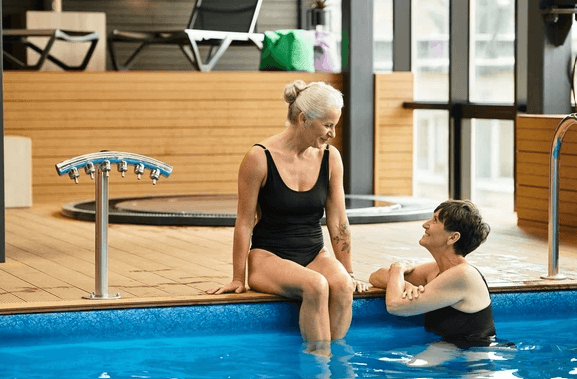
Unlocking the secrets of aging gracefully has long focused on genetics. But more and more research is revealing that the characteristics we inherit are only a small part of the story. Living a fulfilling life at any age begins with putting well-being first. Read on to learn more about the science behind why activities that inspire purpose and create engagement empower seniors to live life well.
Going Beyond the Basics
For seniors, a comfortable home is just the beginning. Regular activities that seamlessly integrate wellness into everyday life deliver a more effective, holistic approach to enhancing quality of life.
Physical Fitness
Data from the National Institute of Health highlights that participation in physical activity and exercise can contribute to maintaining quality of life, health, and physical function, and reducing falls. Living Life Well requires prioritizing physical activity and creating dedicated time and space to do so. Water aerobics, yoga, or simply taking a stroll can help assisted living residents celebrate the joy of movement together.
Mindfulness
While physical activity helps keep the body healthy, other activities help strengthen the mind. A recent study showed that practicing mindfulness enhances memory, attention, and executive function. Guided meditation or even simple games are perfect for keeping the mind sharp.
Well-Balanced Diet
The foundation of healthy aging is good nutrition. A Harvard University study has shown that adults who follow a balanced, health-conscious diet are up to 84% more likely to age in good physical and mental health by age 70. Focusing on a diet rich in fruits, vegetables, whole grains, and healthy fats is a good place to start.
Community Engagement
Regular social and educational programming brings seniors together to meet, learn, and enjoy each other’s company. Research has shown that when residents feel more connected to their community, they experience a stronger sense of purpose. Those with strong social relationships reported higher cognitive function than those who are isolated.
Promoting Lifestyles that Extend Life
By supporting the mental, physical, and emotional health of our residents, The Doliver of Tanglewood is redefining what it means to age gracefully. Living Life Well is about living life with purpose and meaning.
Healthy Dining Options
Residents can enjoy restaurant-style, chef-curated meals at our on-campus restaurants: The Waterside Grille, The Parc, and Trios Cafe.
Indoor Pool
The simple pleasure of spending an afternoon in the water is known to brighten the day of almost every resident.
Outdoor Living Spaces
Our well-maintained community offers outdoor areas to relax and connect in a serene environment.
Regular Local Events
From poker nights to comedy to art classes, every day at The Doliver of Tanglewood brings another chance for residents to enjoy their time together. Through our convenient transportation services, residents can explore nearby Triangle Commons Park, the Austin Opera, or the Upper Crust Bakery in our vibrant neighborhood.
Experience the power of engagement and community by scheduling a tour at Village at the Triangle in Austin today.